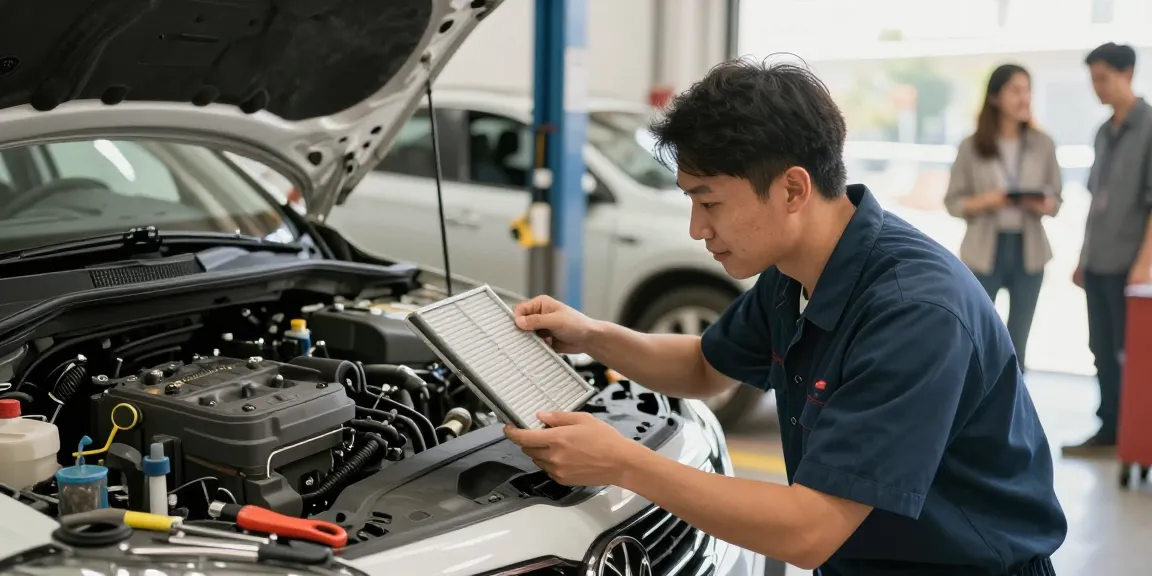
Understanding the intricacies of automobile maintenance is crucial for anyone who wants to uphold the performance, efficiency, and longevity of their vehicle. Among the myriad of components that contribute to a car’s functionality, the lambda sensor, often overlooked, plays a pivotal role. This small yet vital sensor regulates the air-fuel mixture in your engine, and its failure can lead to severe consequences, including increased fuel consumption, higher emissions, and costly repairs. Creating strong relationships with reliable local service providers ensures that you can receive timely assistance before a minor issue escalates into a significant problem. In this article, we will delve deep into the workings of the lambda sensor, its symptoms, diagnosis, and how to address any issues effectively. Additionally, we will explore how maintaining components like the car cabin filter is equally vital for enjoying a comfortable, efficient driving experience.
Understanding the Role of the Lambda Sensor
What is a Lambda Probe?
The lambda probe, or oxygen sensor, is a critical component mounted in your car’s exhaust system. Its primary function is to measure the level of oxygen in the exhaust gases produced during combustion. By assessing this data, the car’s engine control unit (ECU) can regulate the air-fuel mixture, ensuring optimal combustion and emissions control. In modern vehicles, lambda sensors are essential in enhancing efficiency, reducing pollution, and maximizing engine performance.
Importance of Regular Maintenance
Just like any other component, the lambda sensor requires regular maintenance to function effectively. Neglecting it can lead to severe engine issues and reduced fuel efficiency. Due to their critical role in combustion management, ensuring their accuracy can help save on fuel costs while keeping emissions under control. Regular diagnostic checks can identify early signs of a faulty lambda sensor, enabling timely repairs or replacements.
Signs You’re Due for a Replacement
Homeowners and vehicle owners alike should be vigilant for symptoms that may indicate a lambda sensor issue. These can include:
- Check engine light illumination
- Decreased fuel efficiency
- Engine performance problems, such as rough idling or stalling
- Strange exhaust odors or increased emissions
- Failing emissions tests
If you notice any of these issues, it may be time to consult with a local mechanic who is licensed, bonded, and insured.
How to Identify Quality Local Auto Service Providers
How to Choose the Right Repair Shop
Selecting a reliable auto service provider is crucial. Seek shops that are certified and have a good reputation within the community. Establishing a relationship with a local mechanic can pay dividends over time, as they become familiar with your vehicle and its unique needs.
Check Certifications and Licensing
When searching for automotive maintenance providers, make sure they are properly certified. This can include certifications from recognized automotive associations. Licensed mechanics usually have met rigorous training and testing standards, ensuring that they have the expertise to handle everything from routine checks to complex repairs.
Reading Reviews and Testimonials
In today’s age, online reviews can offer significant insights into the quality of a service provider. Check for customer feedback on platforms such as Google or Yelp. Look specifically for comments about the accuracy of diagnoses, repair quality, and customer service. Repeat customers are often a good indicator of a trustworthy mechanic.
Pricing Guides for Lambda Sensor Services
Average Costs of Lambda Sensor Replacement
The costs associated with lambda sensor replacement can vary greatly depending on vehicle make, model, and local labor rates. Generally, you can expect to pay between $90 and $250 for parts and labor. With labor rates averaging between $75 and $120 per hour, it’s vital to get a detailed estimate before any work begins.
What Influences Service Prices?
Several factors can influence the price of lambda sensor replacement, including:
- Type of vehicle (different models may require unique sensors)
- Location of the repair shop (labor costs can vary by region)
- Whether the sensor is genuine manufacturer parts or aftermarket
Being aware of these factors can help you make informed decisions regarding vehicle maintenance.
Comparative Costs of DIY vs Professional Services
While some car enthusiasts might feel comfortable replacing their lambda sensors, DIY repairs can lead to misdiagnoses and further issues. For a nominal fee, professional services not only provide new parts but also diagnostic checks to ensure that the underlying problems are properly addressed.
Emergency Services and Availability
When to Seek Immediate Help
If your car begins to exhibit troubling symptoms related to the lambda sensor, seeking immediate help can prevent further damage. Delaying repairs could potentially lead to more extensive issues, including damage to the catalytic converter, which can be incredibly costly.
Understanding Local Emergency Service Coverage
Familiarize yourself with the emergency services available in your area. Many local auto shops offer 24-hour services, which can be crucial in urgent situations, such as vehicle breakdowns or warning lights illuminating unexpectedly.
Expected Response Times from Local Providers
Knowing the expected response times of local service providers can save critical time in emergency situations. Look for businesses that assure quick turnaround times or that offer same-day service for urgent issues.
Community Engagement and Reputation of Local Services
Benefits of Supporting Local Businesses
Supporting local auto service providers creates a stronger community. These businesses often reinvest in the local economy and maintain a vested interest in community relationships. Your loyalty can help foster long-term business-community connections that benefit everyone.
Local Community Involvement
Many local services engage in community initiatives. From sponsoring local events to offering discounts to essential workers, these businesses build goodwill, enhancing their reputation in the community. When choosing a service provider, consider those that actively participate in community events and support local causes.
Building Long-Term Relationships with Service Providers
Establishing a long-term relationship with a trusted mechanic can lead to better service. With established trust, your provider will be more attuned to your vehicle’s needs, potentially catching issues before they escalate into costly repairs.
Conclusion: What to Do Now
Maintaining an optimal vehicle involves regular checks and attention to even the smallest details, such as the lambda sensor and the air cabin filter. By understanding its importance, recognizing symptoms of failure, and knowing when to contact professional service providers, you can ensure your vehicle operates efficiently and safely. Take the knowledge you’ve gained here to act on potential warning signs and prevent future mechanical issues. Remember, proactive maintenance is key to enjoying long-term savings and a more pleasant driving experience.